

Hōʻikeʻike
Uaʻikeʻia ma lalo o nā kukui o Harsh a iʻole ka hāʻuleʻana i ka lumi noho i kahi lumi noho dim? ʻO kāu mau kukui kukui paha e hoʻohālikelike ai. Ke kūʻai aku nei no ka laweʻana i ke kukui,ʻike pinepineʻoe i nā koho i hōʻikeʻia 3000k, 4000k, a pehea e hoʻohālikelike ai kēia mau helu?
Ma kēiaʻatikala,Toppo'E hōʻike i keʻano o keʻano kala, hoʻohālikelike i nā hopena o nāʻano likeʻole o nā kukuiʻokoʻa. E kamaʻilio mākou e koho i ke kohoʻana i nā kukui kūpono no kou home a me kāuʻoihana kālepa.
Nā manaʻo a me nāʻano o keʻano kala
Color temperature is a way to describe the light emitted by a light bulb, measured in Kelvin (K). Among them, a lower value indicates a warmer yellow light, while a higher value represents a cooler blue-white light. We generally classify lighting fixtures into the following color temperature types:
Keʻokeʻo keʻokeʻo (2000k {{[{} K): E like me nā wahi kuʻuna i nā lumi kūlohelohe, no ka hoʻohanaʻana i nā lumi noho a me nā lumi moe.
Keokeo keʻokeʻo (3100k {{{{}} K): Mālama maoli kukui, kūpono no nā kinipōpō a me nā keʻena.
Cool White/Daylight (4600K - 6500K): bright and clear light similar to daylight, for task lighting and industrial assembly lines.
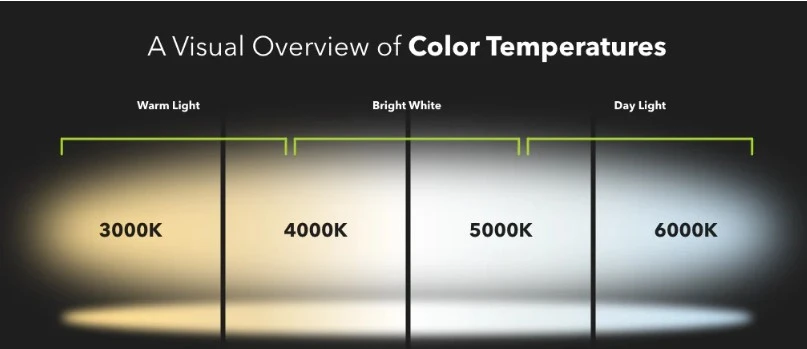
3000K, 4000K vs. 6000K: He aha kaʻokoʻa?
|
Nā pameters |
3000K |
4000K |
6000K |
|
Nā hopenaʻike |
Mahana & palupalu me nā mea haʻahaʻa |
Kūlohelohe kūlohelohe, lā |
|
|
Hopena hopena |
Hoʻomaha,ʻoluʻolu |
Hōʻike-Endhancing, huahana |
Hoʻomaʻamaʻa,ʻoluʻolu, mālie |
|
Kōkua noi |
Mau pū me nā papa lāʻau a me nāʻano kala kala |
Neutral-toned spaces requiring balanced lighting |
Pono nāʻano haʻahaʻa o nā minenast me ke kiʻekiʻe kiʻekiʻe |
Noi o nā kukui alakaʻi i nā'āpana likeʻole
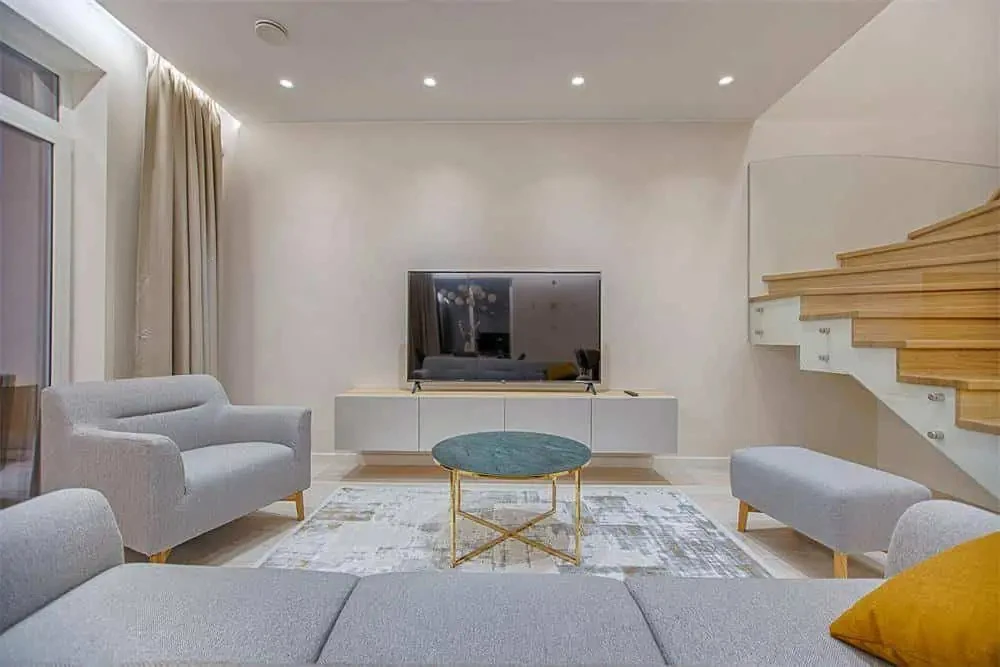
3000k: Hiki i nā kukuiʻo 3000K i alakaʻiʻia e like me ka mālamalama e like me keʻano o ke kukui, e like me nā lumi moe, a iʻole nā lumi lumi e noho ai. I loko o ka lumi moe, hiki iā ia ke hana i kahi ea kūpono, ke hoʻomau neiʻoe i ka hiamoe. ʻO kēia, i ka huli, hoʻolaha i ka moʻolelo o ka melatonin i kou kino, e kōkuaʻoe i ka hoʻomaha a hiamoe wikiwiki. Eia naʻe, he mea kūpono ia e pale aku ai i ka hoʻohanaʻana iā lākou i loko o ka papa hoʻomākaukau e hoʻomākaukau ana i ka lumi kuke,ʻo ke aʻoʻana, a iʻole nā hale kūʻai. No ka mea, hiki paha ke hoʻomālamalama i ka kukui ma nā kala o nā mea kanu Hiki iā ia ke hana i nā pā keʻokeʻo keʻokeʻo a nānā i ka wā kahiko.
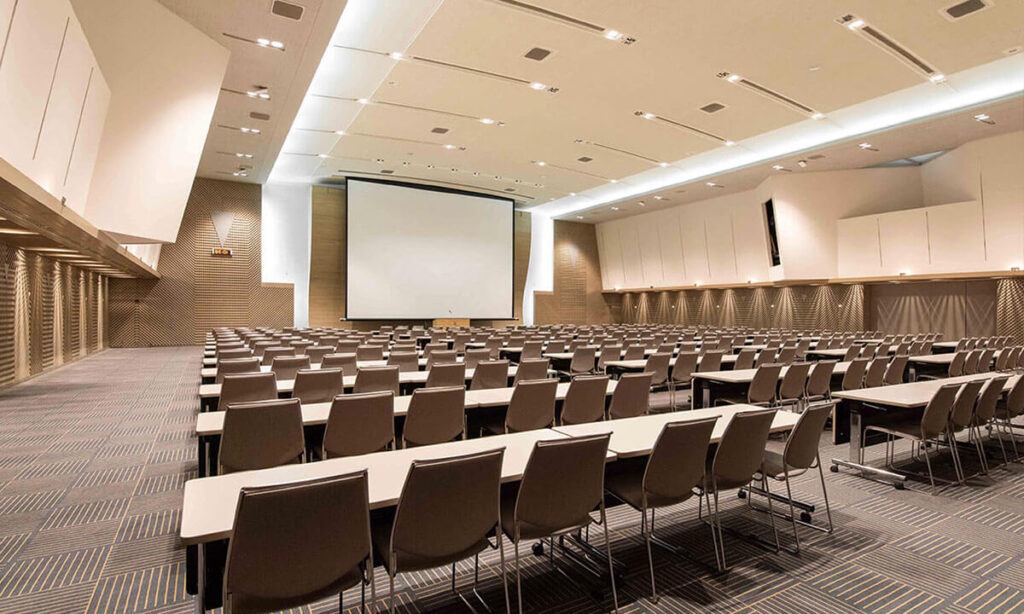
4000k: The 4000k led panel lights have a neutral white tone, which is both warm and bright. They are widely used in office spaces, classrooms, and modern kitchens. When we cook for a long time or work in front of a computer screen, this kind of lighting makes our eyes less likely to feel fatigued. Retailers, such as fitting rooms and fruit stalls, also often use 4000K lights to showcase the texture of clothing and the quality of fruits, preserving the original colors of the products.
6000k: Different from the previous two types of lighting, the lights with a color temperature of 6000K look cooler and brighter. This kind of lighting is often used in industrial workshops, art studios, as well as applications that require high precision of operation, such as dental clinics and surgical preparation areas. It should be noted that when we use these lights in comfortable living areas and study rooms in small spaces, their excessive brightness may be dazzling and disrupt our circadian rhythm.
Pehea e koho ai i keʻano o keʻano o keʻano kiʻekiʻe
Lumi lumi
Generally speaking, we use warm-colored lamps with a color temperature of 3000K in small rooms to create a soft and warm atmosphere. For larger rooms such as classrooms and offices, neutral light with a color temperature of 4000K or cool white light with a color temperature of 6000K is more suitable. This is because these lights are bright enough to make the entire room look more spacious.
Pono ka hana
Hoʻohana pinepine mākou i nā kukui me kahi wela o ke kala mai 2000k a hiki i 3000k e hana i kahi kūlana hoʻomaha a hiamoeʻole. I nā kīwī a me nā lumi kaukau, 3100k {{{{}} K N Neutral White GOD e hoʻohana pinepineʻia. Hiki iā lākou ke kau i ka uila a puni a puni mākou e kuke ana a me ke kauʻana. Eia nō naʻe, ma nā wahiʻoihana a me nā lumi hana, nā kukui kiʻekiʻe, nā kukui kiʻekiʻe me ke aniani o ka mahana o 6000k {{{} Kʻo K {9} Kʻo K {9} Kʻo K {7} K ma ka kaulana loa.
Warm white lights are more suitable for use in French or rustic-style interiors. They match very well with items such as orange hanging paintings and brown wooden floor lamps. In modern and minimalist-style rooms, we use 4000K neutral lamps more often. When used together with light-colored wall paint, they can make the room look cleaner and more refreshing.
Kala kalaʻana (cri)
The Color Rendering Index (CRI) of a lighting fixture is a standard for the degree to which the light shows the "true" colors of objects. In art galleries, clothing stores, and food display areas, please choose LED lighting fixtures with a high CRI (90 or higher). They make the colors of paintings, clothing, and food ingredients look more natural. In outdoor security lighting or industrial applications, LEDs with a low CRI (70 - 80) are generally sufficient.
Ka hoʻoikaika
Inā makemakeʻoe i kāu mau kukui i hope loa, e nānā no nā alakaʻi kiʻekiʻe me kahi helu ikaika kiʻekiʻe,ʻo ia hoʻi,ʻo ia hoʻi me kahi ratio kiʻekiʻe. ʻAʻole hiki iā lākou ke hāʻawi wale i ka mālamalama āu e makemake ai akā e hōʻemi hou i kāu mau bila uila uila.
Nā Kūlana Kūlana Kūlana Kūlana Kūlana Kūlana
E like me ke alakaʻiʻana i nā mea kūʻai aku i alakaʻiʻia, ua loaʻa nā mea kūʻai akuʻo ToppoOEm / odmkāhea iā mā˚ouE kiʻi koke i ke kākoʻoʻana i ke kākoʻoʻana i ke kākoʻo.